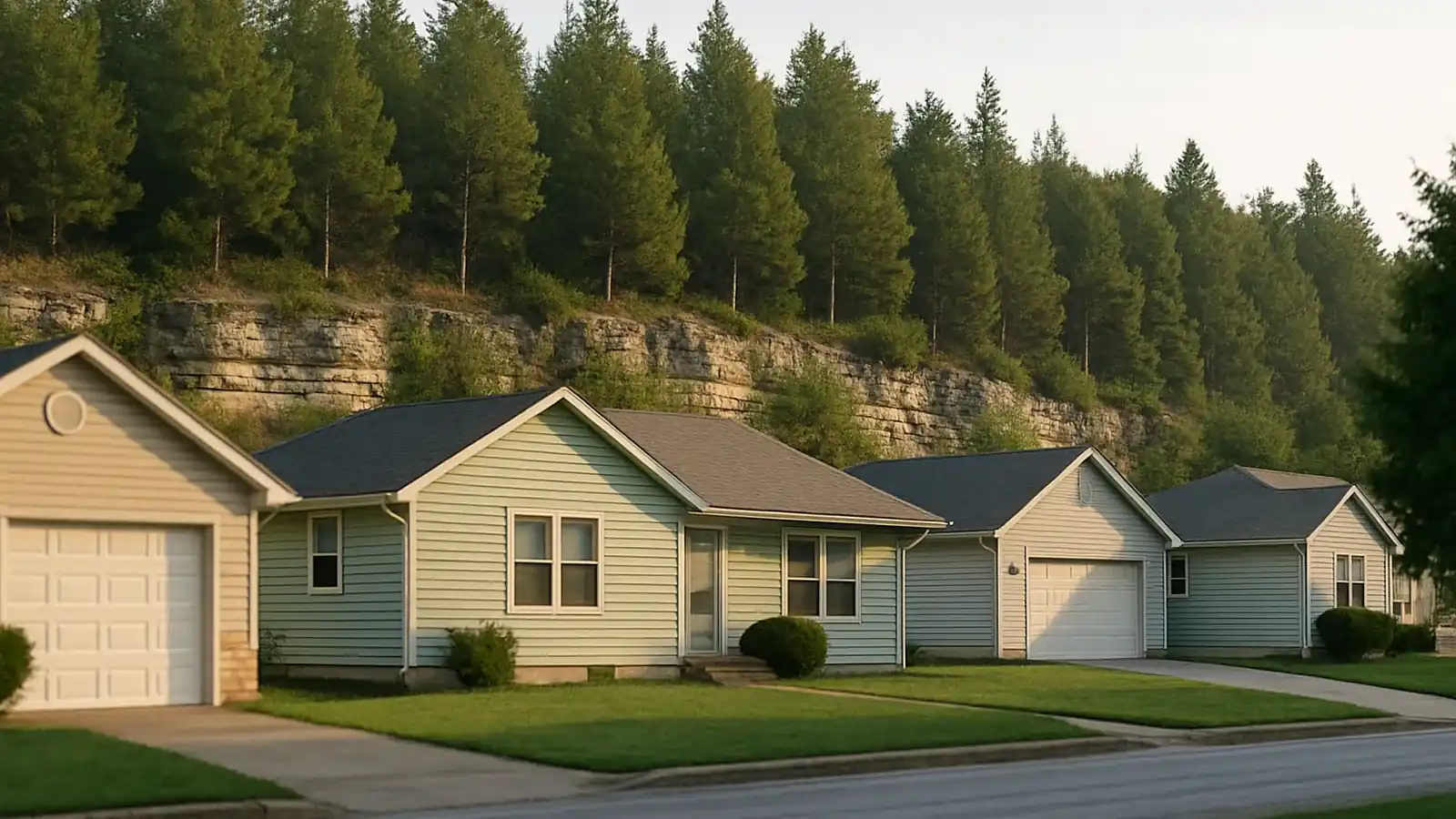
Springfield Foundation Co. connects you with a local specialist for the Ozarks' complete structural stack: piering from $1,200/pier to close limestone, wall restraint from $2,500, crack injection from $400, karst-aware drainage from $2,500, and slab leveling from $500, every scope best preceded by a measured evaluation with the geology read included.
Foundation Piering & Underpinning
Piers to verified rock refusal: the plateau's silver lining is how close the good stuff is.
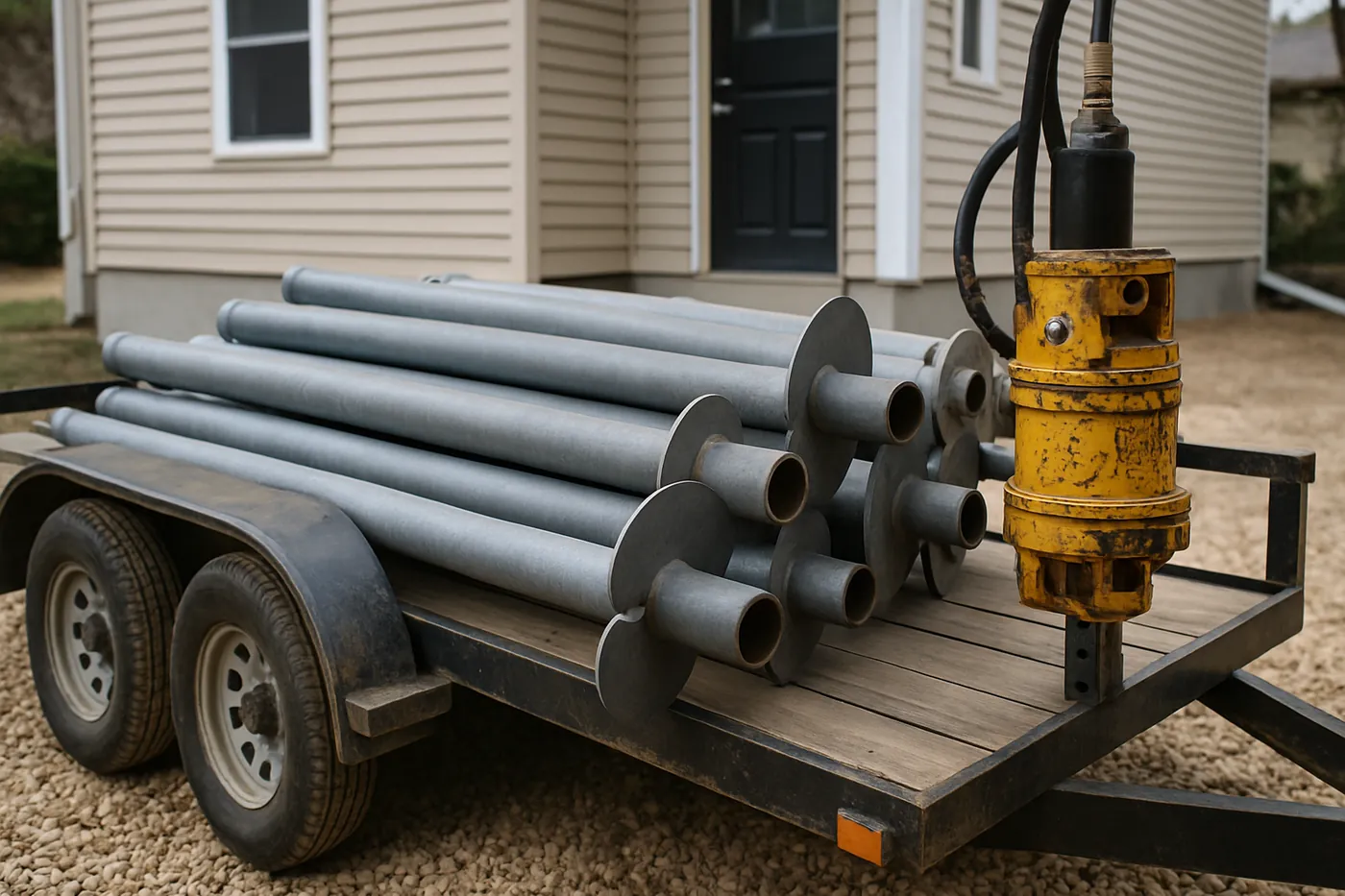
Bowing Basement Wall Repair
Restraint for walls loaded by clay perched wet on the rock bench.
Foundation Crack Repair
Injection and stitching: with karst-aware triage for the cracks that follow storms.
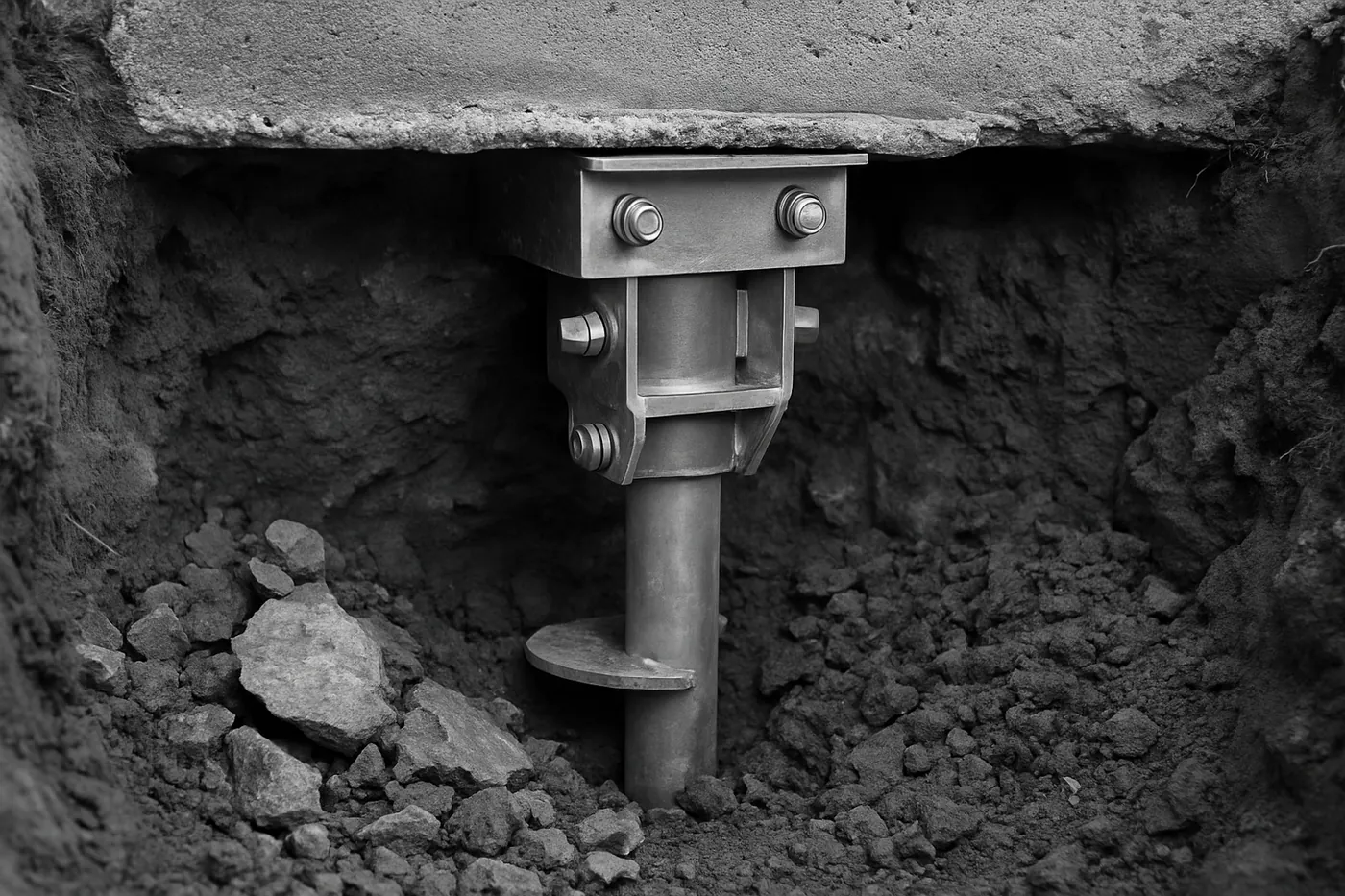
Basement Waterproofing
Drainage designed for ground with its own plumbing: karst water plays by different rules.
Concrete Leveling
Slabs floated back to grade over fill and residual clay, in an afternoon.
Foundation Settlement Repair
Thin soil over karst: is it the clay, or the rock? The diagnosis Greene County actually needs.
Helical Piers vs Push Piers
On the Plateau, bedrock is close, which changes the pier math in your favor.
Exterior vs Interior Waterproofing
Karst drains fast until it doesn’t, where the water system belongs here.
Insurance & Foundation Repair
In a county with 8,000 sinkholes, the endorsement question is not optional reading.
Engineer, Geologist, or Contractor?
Springfield’s code sometimes names the professional for you: here’s who does what.
Cost Guide: the Karst Ledger, Priced
Where shallow rock saves money, where karst spends it, and how to audit any bid's geology homework.
One plateau, one discipline
These services interlock because the ground does: the perch that loads a wall feeds the crack that storms then mine; the underground that wets a floor moves the fines that settle a footing. Reading the whole story before fixing any chapter is the local discipline: water rerouted before steel, structure before cosmetics, and the karst question answered in writing before anything is priced. Lines the instruments don't justify don't appear.
Which repair fixes which failure
| What you see | Plateau mechanism | The fix | Typical range | Time |
|---|---|---|---|---|
| Settlement cracks, sloping floors, sticking doors | Thin soil consolidating or fines migrating over karst | Helical piers to limestone | $3,000–$12,000 | 2 days–1 week |
| Horizontal wall crack, inward bulge | Storm water perched on rock loading the wall | Restraint after drainage | $2,500–$10,000 | 1–2 days |
| Cracks leaking or growing | Seasonal movement or a karst signal | Triage, then matched injection | $400–$1,500 | Hours |
| Wet basement after storms | The perch draining to your cut | Karst-aware drainage | $2,500–$8,000 | 1–3 days |
| Sunken slab panels | Fill settling, or subtraction below | Diagnose, then lift | $500–$2,500 | Hours |
Recurring movement in the same footprint is the plateau's tell. It upgrades any of the above from repair to investigation, and the county's own sinkhole mapping rules exist for exactly that case. A good specialist says so when it's true.
What the karst question costs you, and saves you
Greene County documents on the order of eight thousand sinkholes, and its development code requires geologist mapping when a visible feature touches a building lot. That context sets the local standard for honest repair: every scope here answers the karst question in writing, usually "no karst indicators; standard mechanism" and the work proceeds like anywhere else. The value is in the exceptions: catching subtraction-from-below before a five-figure repair gets built on ground that's still leaving costs a probe and a paragraph; catching it after costs the repair twice. That paragraph is included with every evaluation, because on this plateau it's the difference between a repair and a wager.
Service questions
How do I know which service my house needs?
The pattern tells the specialist before the menu does. An hour of instruments (laser levels, deflection gauge, crack log with weather history, a water walk that respects the underground) usually reduces five services to one or two justified lines, and sometimes to a monitoring plan and a handshake.
What makes a Springfield evaluation different?
The geology read. Every plateau evaluation answers the karst question (is this movement clay-ordinary or pattern-flagged?) before recommending anything. Most answers are ordinary. The ones that aren't get deeper piers, walked discharge routes, and plain-language candor.
Is the first visit free?
Many local specialists don't charge for the first visit, but it depends on the company, so ask when they call. Ask for it measured, photographed and written up, geology read included. 'Monitor and recheck' is a real verdict here.
Get a Springfield foundation evaluation
Tell us what the house is doing (cracks, sinking corners, doors gone stubborn, water where it shouldn’t be) and we'll pass your request on for an evaluation. A local specialist who works in Springfield will call you back.